Weltmuseum Wien

Client
Weltmuseum Wien
Project location
Vienna, Austria
Project date
2026
Architect
Herald Gründl
Photos
Daniel Sostaric
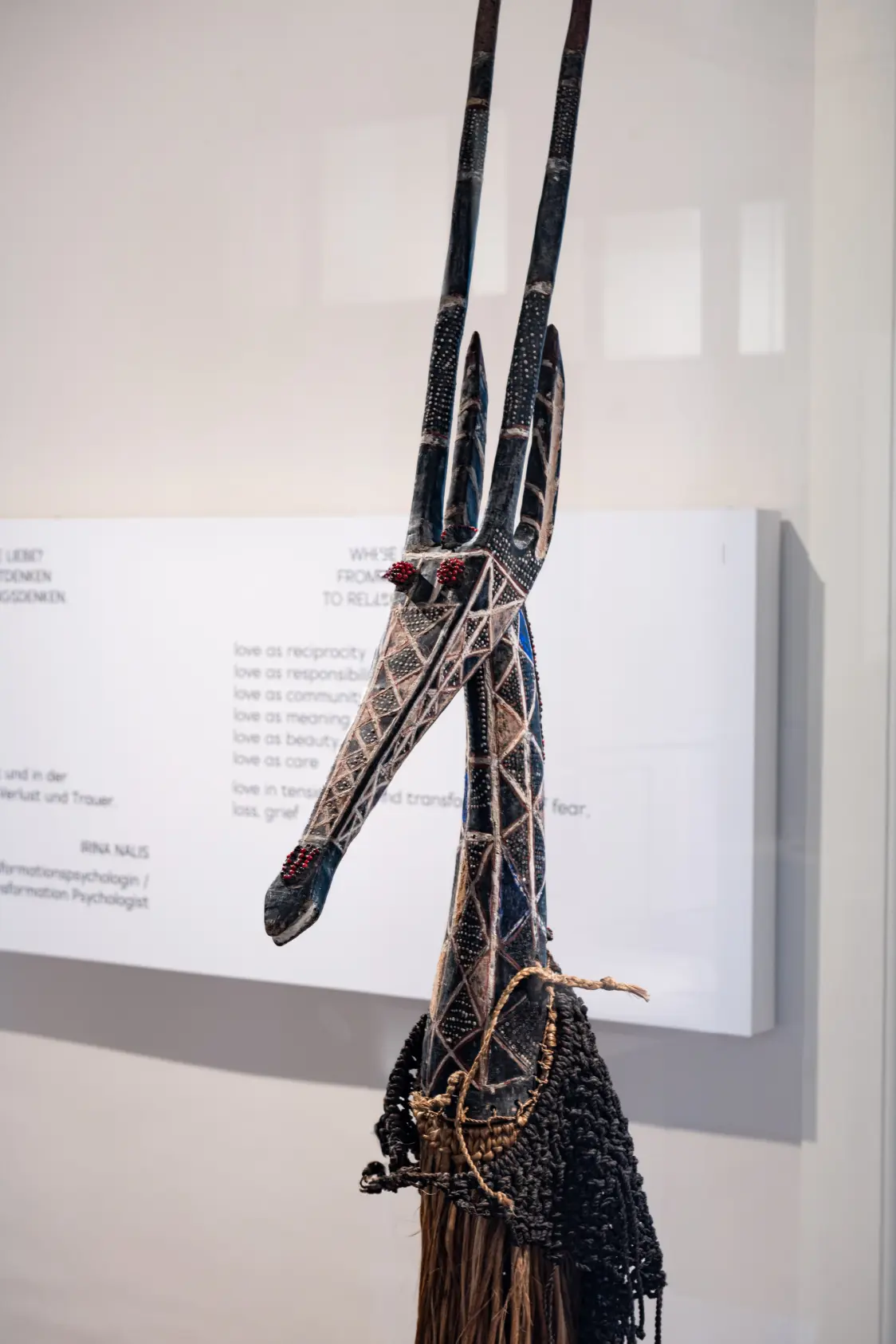
A "future laboratory" for regenerative design
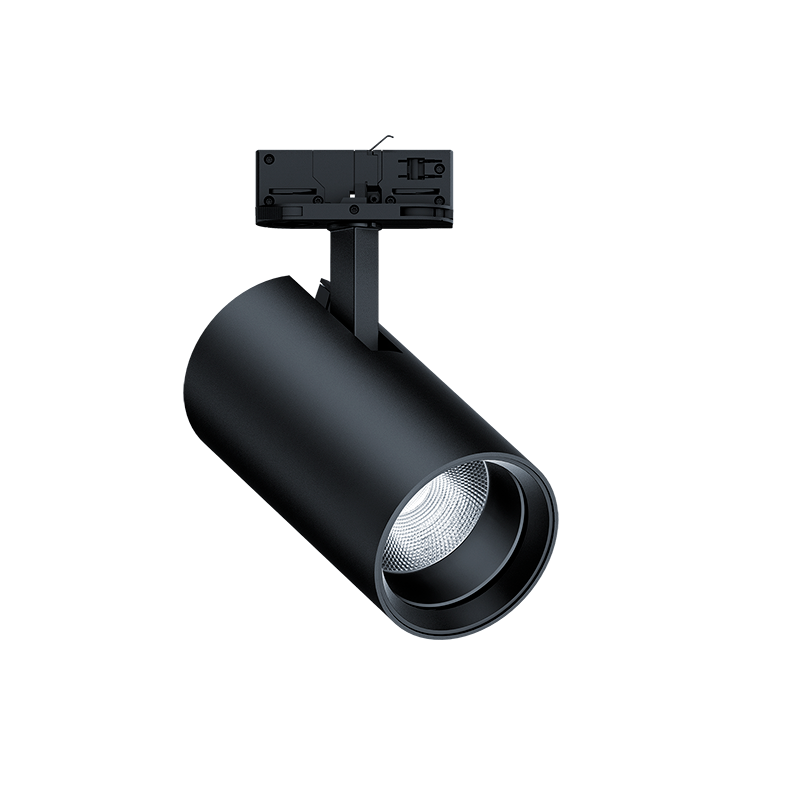
The exhibition, curated by Claudia Banz, Christian Schicklgruber, and Harald Gruendl, presents the museum as a "future laboratory" for regenerative design. It challenges the traditional view of ethnological museums as static archives, instead positioning them as dynamic spaces for exploring ecological relationships and learning from diverse knowledge systems. The exhibition aims to make visible the future-relevant knowledge embedded in these objects and project it into contemporary and future contexts. It is a call to rethink museums as active spaces for ecological and cultural regeneration, learning from the wisdom of global societies to address today’s environmental challenges, enhanced by a unique lighting experience that highlights this thoughtful curation of old and new coming together.
The Regenerative Design Method
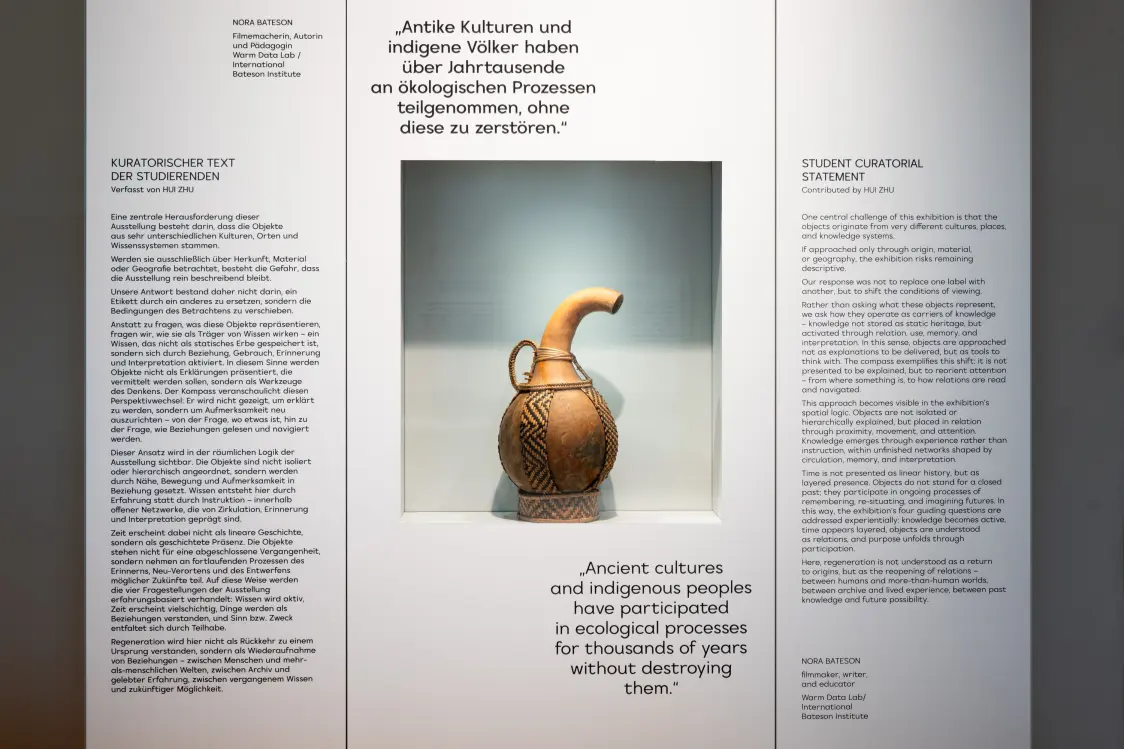
The exhibition is rooted in the principles of regenerative design—using nature’s strategies as a foundation for design thinking. Objects from the Weltmuseum’s collection, selected by international and interdisciplinary students, are re-examined for their potential to inform sustainable, future-oriented design.
Reflecting on the Past to Shape the Future
The objects come from societies that live in harmony with their natural environments, using local resources sustainably. The exhibition contrasts these practices with the exploitative, colonialist approaches of modern Western civilization, which have pushed Earth’s ecosystems toward critical tipping points. In this context, Zumtobel lighting plays a purposeful role, shaping an atmosphere that underscores the tension between these worldviews and illuminating the sustainable knowledge embedded in the showcased cultures.
"Regenerative design is a design philosophy we should relearn from indigenous cultures. The exhibition showcases numerous principles to inspire bold and innovative business and design strategies for the future."
says Harald Gruendl, Head of Regenerative Design Lab, University of applied Arts Vienna, Partner EOOS Design